Storm & Safety · How-to
Hurricane Prep Checklist
From evacuation zones in Mobile and Baldwin counties to generator safety after landfall, the steps that matter most before and after a Gulf hurricane.
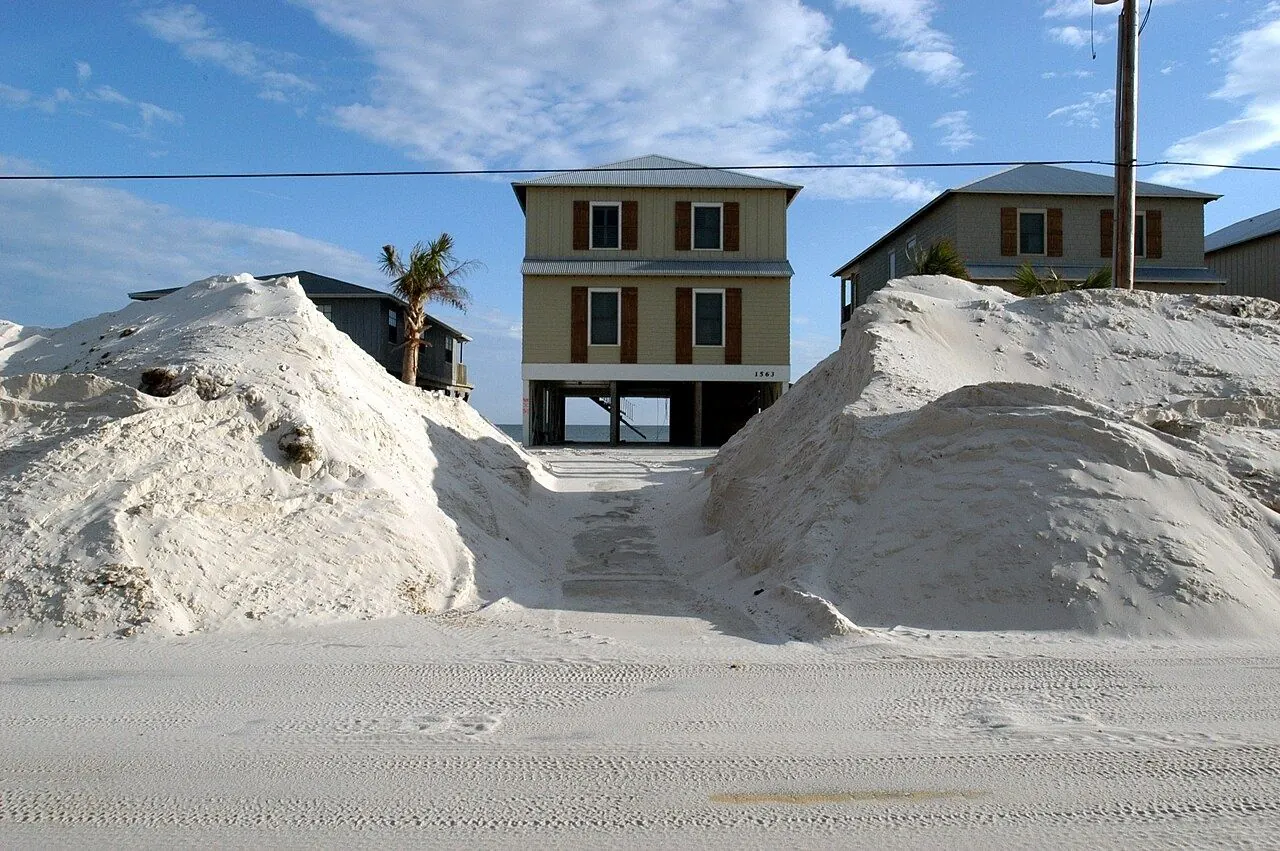
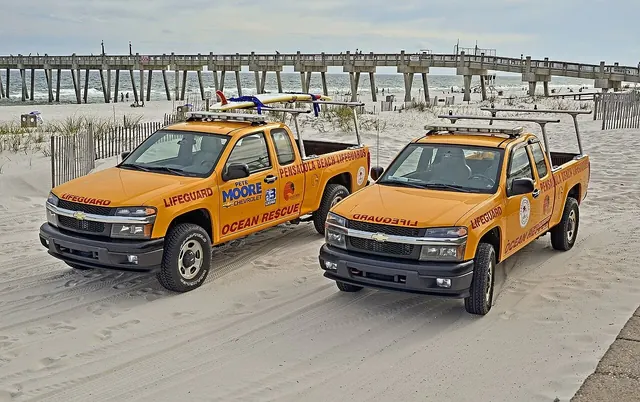
Photo: Jocelyn Augustino, Wikimedia Commons, Public domain
The Atlantic hurricane season runs from June 1 to November 30, and coastal Alabama households should have a plan in place before it starts: know your evacuation zone, build a kit, check your insurance and decide in advance where you will go. Storms such as Ivan in 2004 and Sally in 2020, both of which came ashore near Gulf Shores, show how much damage a single landfall can do on this coast.
What to do before the season
Start with the checklist below, and finish it before a storm is in the Gulf, when stores and roads are crowded.
- Know your zone. Mobile County and Baldwin County each divide the county into numbered hurricane evacuation zones based on storm surge risk, and Dauphin Island uses its own lettered zones. Look up your address on the Mobile County EMA or Baldwin County EMA website.
- Build a kit. The National Weather Service advises households to stock enough non-perishable food, water and medicine to last each person at least three days. Add flashlights, batteries, a battery-powered radio, cash, pet food and copies of prescriptions.
- Plan for people and pets. Decide where you would go, how you would get there, and which shelters or hotels accept pets, and check official pages for shelter rules, which change.
- Document the home and review insurance. Photograph rooms and valuables, and store policies and IDs in a waterproof bag or in the cloud. Home and renters insurance do not cover flooding; flood coverage is sold separately, including through the National Flood Insurance Program, and a new policy usually takes 30 days to take effect.
- Protect windows and roof. Have shutters or fitted plywood ready and clear loose yard items that could become projectiles.
When to leave
Learn the difference between the two National Hurricane Center alerts. A hurricane watch means hurricane conditions are possible in the area and is issued about 48 hours before tropical-storm-force winds are expected. A hurricane warning means hurricane conditions are expected and is issued about 36 hours ahead, which is the signal to finish preparations and leave if you are told to.
Evacuation orders are issued by zone, so follow the order for your exact address. Baldwin County's hurricane guide says people in mobile homes and in low-lying, flood-prone areas should evacuate even for a Category 1 or 2 hurricane. Leave early, use the official evacuation routes shown on county EMA maps, and remember that water, not wind, causes most hurricane deaths, mainly through storm surge and heavy rain.
After the storm
After any hurricane, generator safety and caution around flood water are essential. Run a portable generator outside only, more than 20 feet away from the home, doors and windows, and never in a house or garage; carbon monoxide poisoning is one of the leading causes of death in areas dealing with power outages. Never drive through flooded roads: two feet of rushing water can carry away most vehicles, and flood water can hide sharp objects, chemicals, bacteria and dangerous animals.
Residents should also treat damage repair with caution. Check that a builder is licensed with the Alabama Home Builders Licensure Board, ask for proof of insurance, get the contract in writing, never pay in full or a large deposit up front, and report suspected fraud to the Alabama Attorney General's office. Before June 1, know your evacuation zone, have food, water and flood insurance in place, and follow the National Weather Service Mobile office and your county EMA for storm updates.
General information, checked against the sources below at the time of writing. Rules, fees, schedules and programs change; confirm with the official source before you rely on them.