Home/Archive/Complete Streets on the Coast
From the archive · Initiative
Complete Streets on the Coast
How the first Complete Streets policies in Alabama came to coastal cities, and what such a street looks like.
From the archive. This page keeps material published on this domain by Smart Coast, a Fairhope, Alabama nonprofit, in the years around 2004–2013. It is preserved as a record; the magazine that publishes smartcoast.org today is independent and is not that nonprofit. Contact details and personal information have been removed, and pictures that no longer exist have been replaced with credited photographs.
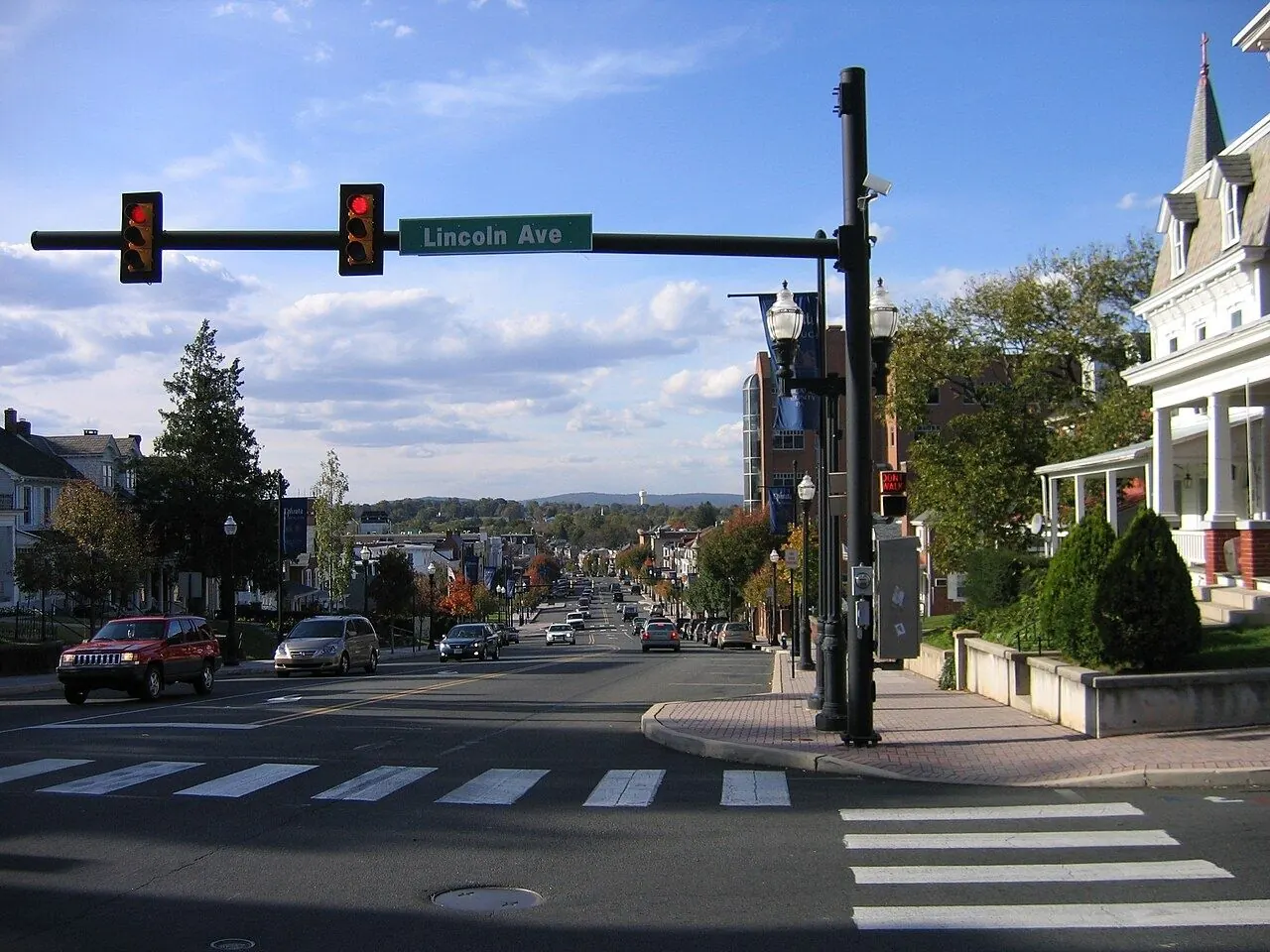
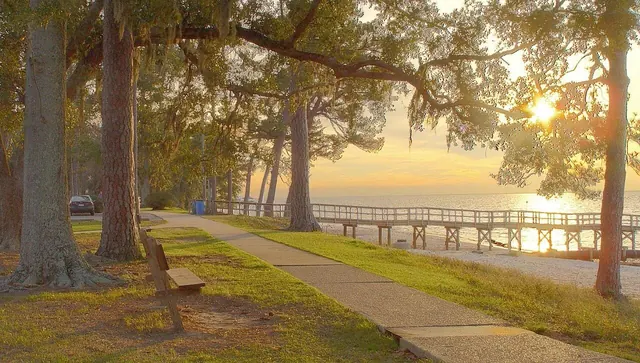
Photo: Andrew Bossi, Wikimedia Commons, CC BY-SA 2.5
Smart Coast’s work on Complete Streets was initiated by their Walkable Communities Study Group. The Complete Streets effort complemented the Smart Walks by focusing on policy decisions with the potential to make streets “safer, more livable and welcoming to everyone”. The project was given a boost by a year of technical assistance with the National Center of Bicycling and Walking via a grant funded by Robert Wood Johnson Foundation.
To date, Smart Coast has successfully engaged the cities of Fairhope, Daphne, Chickasaw, Mt Vernon, Orange Beach and Mobile to adopt Complete Streets policies and practices. These are the first Complete Street policies to be adopted in the state of Alabama.
What are Complete Streets, and Complete Streets policies?
Complete Streets are streets that are designed and operated to enable safe access for all users. Creating Complete Streets means transportation agencies must change their orientation toward building primarily for cars. Instituting a Complete Streets policy ensures that transportation agencies routinely design and operate the entire right of way to enable safe access for all users. Places with Complete Streets policies are making sure that their streets and roads work for drivers, transit users, pedestrians, and bicyclists, as well as for older people, children, and people with disabilities.
What does a Complete Street look like?
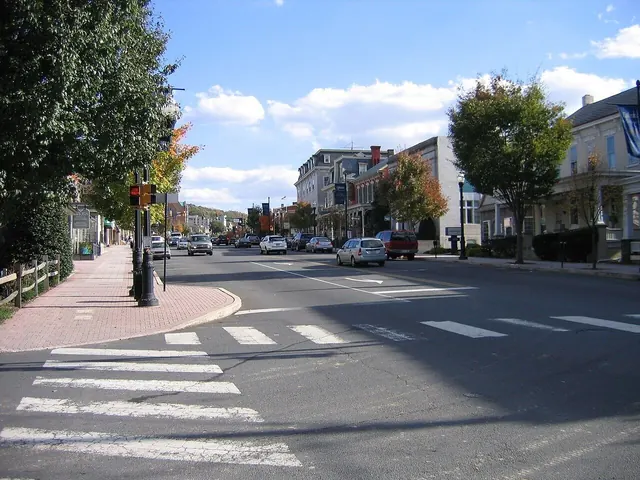
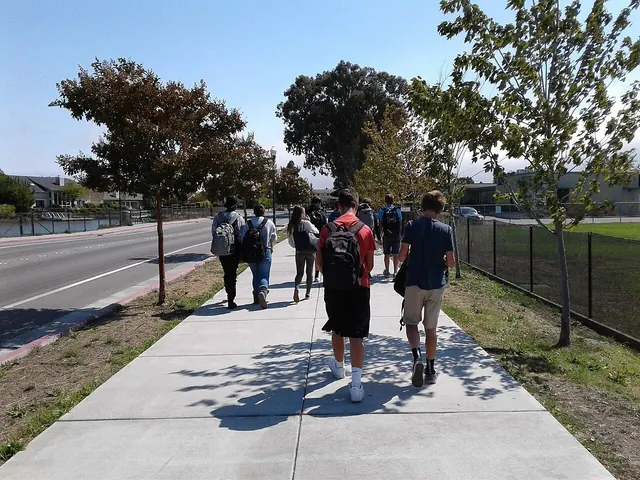
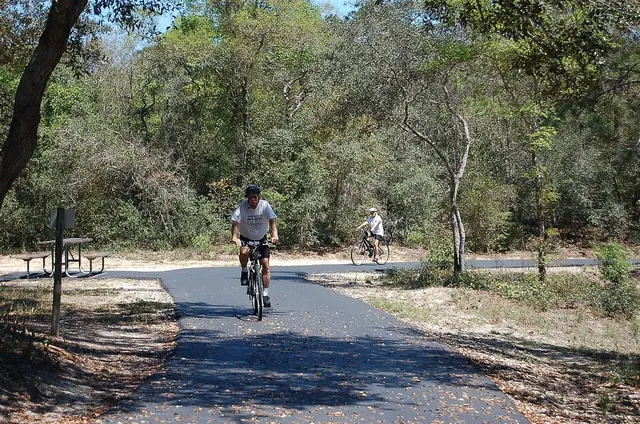
There is no set template for a Complete Street. However, ingredients that may be found on a Complete Street include sidewalks, bike lanes (or wide paved shoulders), special bus lanes, comfortable and accessible transit stops, frequent crossing opportunities, median islands, accessible pedestrian signals, and curb extensions. A Complete Street in a rural area will look quite different from a Complete Street in a highly urban area, but both are designed to balance safety and convenience for everyone using the road.
They show a vision of what a Complete Street could look like.
Moving from Policy to Implementation
- Smart Coast worked with the city of Fairhope and AARP Alabama in January , to consult with walkability expert, Dan Burden, on how to stripe newly repaved streets to make them safer for everyone.
- Smart Coast provided guidance to Fairhope Girl Scout Troop 8442 in their Silver Project to identify the most dangerous crosswalks in Fairhope and persuade the city council to locate yield-to-pedestrian signs in the center of the sidewalks.
- Smart Coast collaborated with the city of Fairhope to get a pedestrian signal installed at a busy street a few blocks from a local elementary school after being alerted to the problem by a parent wanting a safer access to walking their child to school.
- Smart Coast and Trailblazers welcomed the ALDOT initiative of adding Share the Road signs to State Highways 98 and 104 in Baldwin County in an effort to make drivers more aware of the need for safety on the roadways for everyone.
- Smart Coast collaborated with the League of American Bicyclists and AlaBike to host a traffic safety course August 7, 2011 in Fairhope.