Storm & Safety · Explainer
Beach Warning Flags Explained
Yellow, red, purple and double red each tell swimmers something different, and on double red days entering the Gulf is against city law.
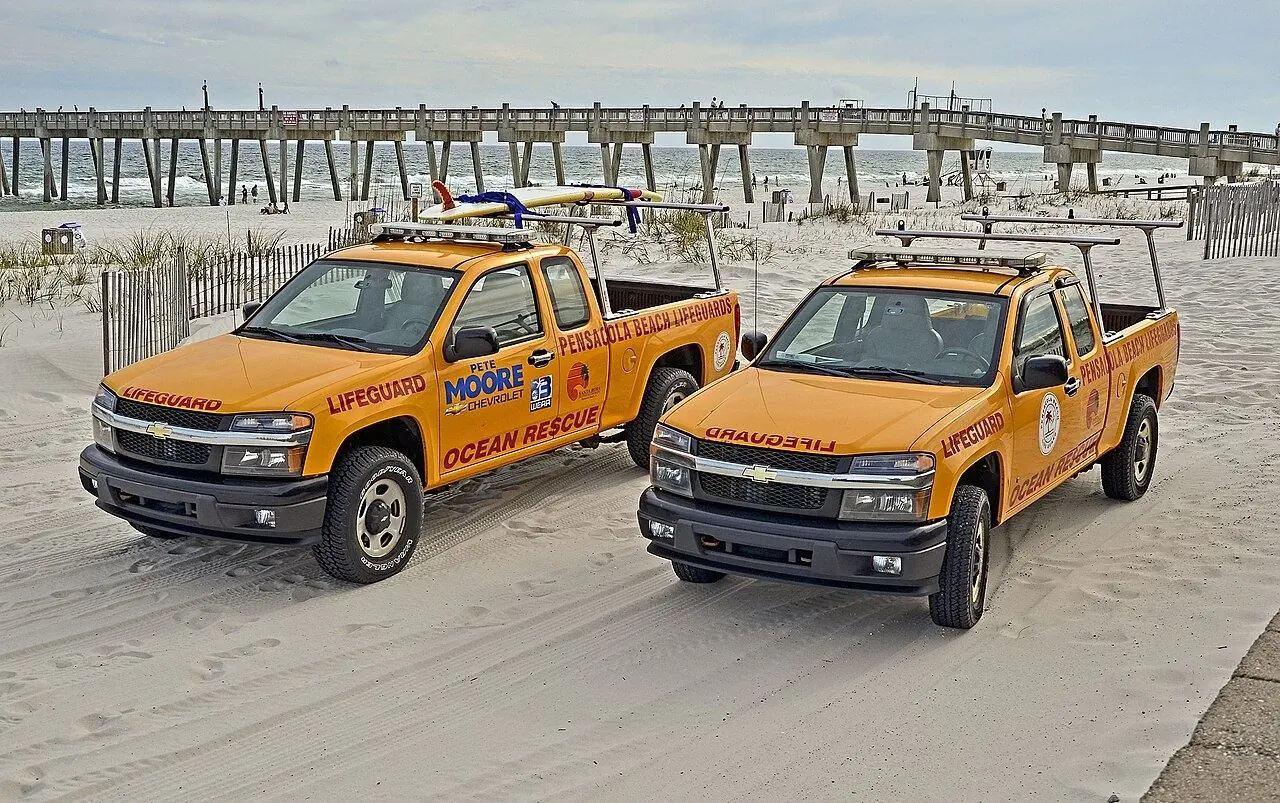
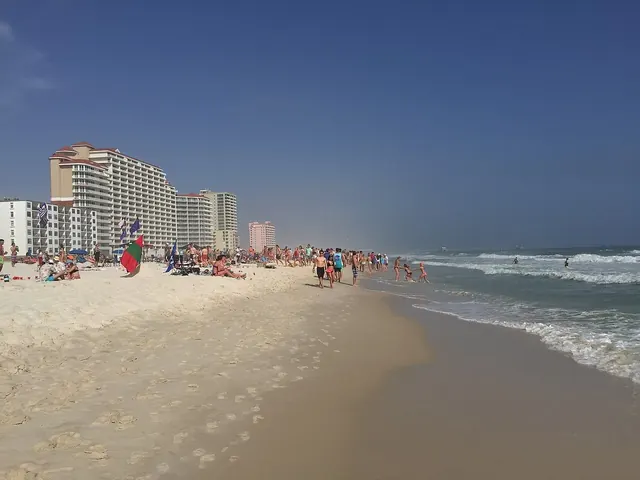
Photo: Tomás Del Coro, Wikimedia Commons, CC BY-SA 2.0
The flag flying on the beach tells you whether it is safe to swim in Gulf Shores and Orange Beach that day: yellow means caution, red means stay out, purple means stinging marine life, and double red means the Gulf is closed to the public. When you arrive on the beach, find and read the flag before anyone goes in the water.
What each flag color means
Both cities use the same warning flags, and the Alabama Department of Public Health describes them the same way. Green is not part of the flag set posted in Gulf Shores and Orange Beach, so the lowest warning a swimmer will see is yellow.
| Flag | Meaning | What swimmers should do |
|---|---|---|
| Yellow | Medium hazard: moderate surf and/or currents | Weak swimmers should stay out; everyone else swim with caution |
| Red | High hazard: high surf and/or strong currents | All swimmers are discouraged from entering the water |
| Double red | Water closed to the public | Do not enter the water at all |
| Purple | Marine pests present, such as jellyfish or stingrays | Expect stings; can fly with yellow or red |
| Red and yellow (halved) | Area protected by lifeguards | Swim between the paired flags |
| Red and white (quartered) | Emergency evacuation | Leave the water immediately |
Double red is not a suggestion. Within the corporate limits of Gulf Shores and Orange Beach it is illegal to enter the Gulf when double red flags are flying, and the City of Gulf Shores says violators are subject to a fine and possible arrest. Orange Beach also flies combined flags, yellow with purple or red with purple, when hazardous surf and marine life occur together.
Where the flags fly and how to check them
Gulf Shores posts beach flags at all public beach areas and lifeguard towers, including the Gulf Place public beach, and the city publishes a list of flag locations on its website. In Orange Beach, the city invites beachgoers to stop by any lifeguard tower to ask about current conditions.
To check before you leave home, call the Gulf Shores surf line at 251-968-SURF (7873) or the Orange Beach surf and beach conditions line at 251-981-SURF, or text ALBEACHES to 888777 for daily beach conditions and flag status. The National Weather Service office in Mobile also publishes a daily rip current risk and surf zone forecast for the Alabama coast. Conditions can change during the day, so the flag physically posted on the beach is the one that counts.
Lifeguards and seasons
Lifeguard coverage is seasonal. Gulf Shores provides lifeguard services between March and October. Orange Beach staffs its towers from March 1 through October 31, with longer hours from Memorial Day to Labor Day, and has no lifeguards on duty from November through February. Outside those months and hours, nobody is watching the water, so the flag and your own judgment are all you have. Hours change with weather and staffing; check the city beach safety pages for the current schedule.
The practical rule is simple: look at the flag you see on the sand, not the forecast you were hoping for. On red, stay on the beach; on double red, the water is closed by law; and whatever the color, swim near a lifeguard and call 911 if someone is in trouble.
General information, checked against the sources below at the time of writing. Rules, fees, schedules and programs change; confirm with the official source before you rely on them.