Walk & Bike · Explainer
Complete Streets Explained
Streets built for people walking, biking, riding transit and driving, and how Fairhope, Daphne, Orange Beach and Mobile signed on to the idea early.
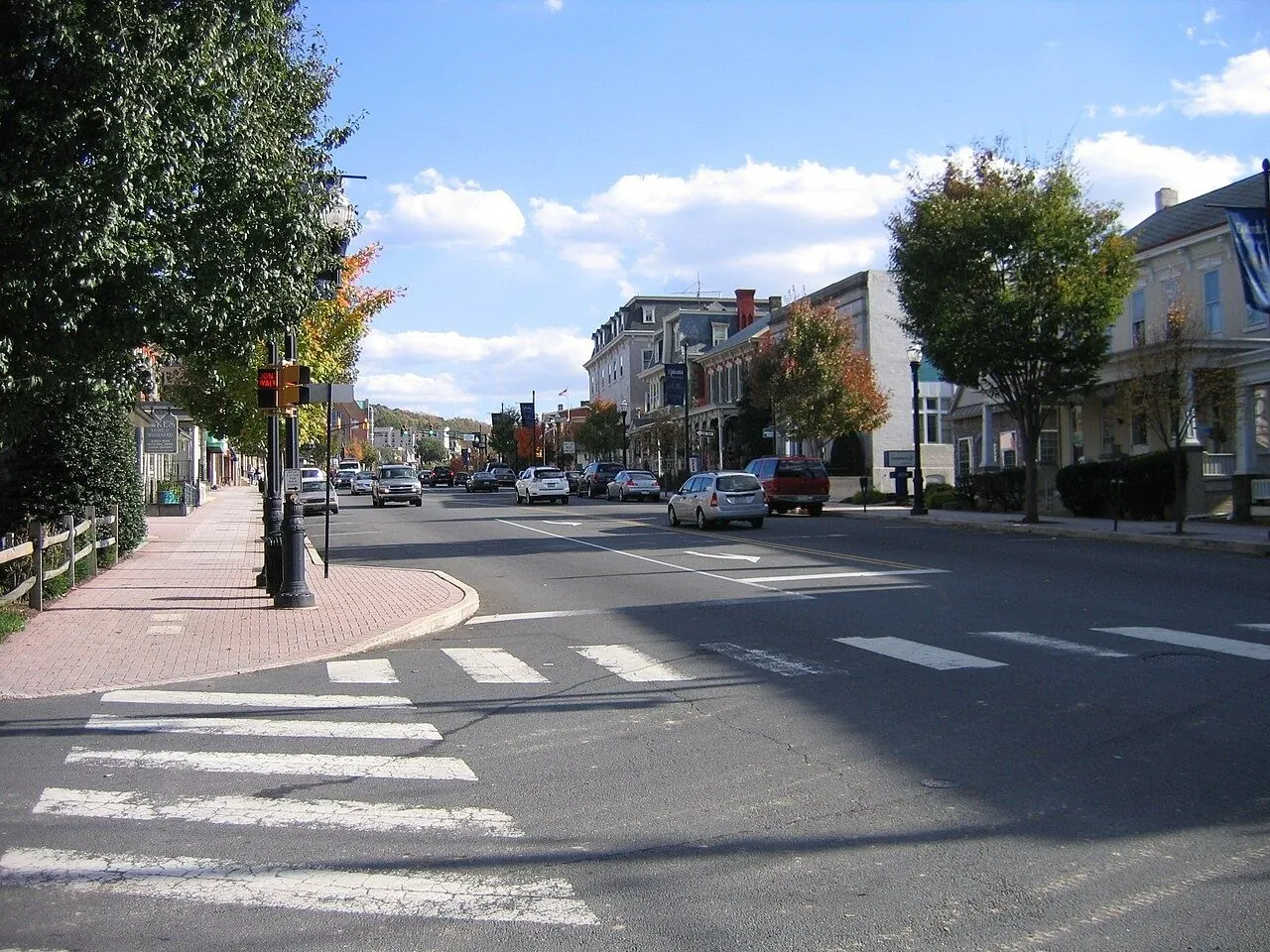
Photo: Andrew Bossi, Wikimedia Commons, CC BY-SA 2.5
Complete Streets are streets planned, designed and built so that everyone can use them safely: people walking, biking, riding transit and driving, including children, older adults and people with disabilities. A Complete Streets policy is the official promise a city, county or state makes to build its streets that way.
Smart Growth America, the national group that tracks these policies, defines Complete Streets as "an approach to planning, designing, and building streets that enables safe access for all users, including pedestrians, bicyclists, motorists, and transit riders of all ages and abilities." The Infrastructure Investment and Jobs Act of 2021 was the first federal law to define "complete streets standards or policies," and its definition lists pedestrians, bicyclists, public transportation users, children, older individuals, individuals with disabilities, motorists and freight vehicles.
What the policy means
An official policy means a city has adopted a guide for all street projects, including new construction, reconstruction, maintenance and operations. Smart Growth America's model says a strong policy covers the whole right-of-way, spells out that "all users" means people of all ages and abilities, keeps exceptions narrow with a clear, high-level approval process, and sets performance measures with measurable outcomes. It's not a one-size-fits-all handbook: a good policy leaves room for local context, so a downtown main street and a rural highway end up looking different.
What usually gets built
Complete Streets isn't "one look." It usually means adjusting ordinary street designs so trips on foot, by bike and by transit are safe and attractive. Common features include:
- continuous sidewalks and curb ramps
- bike lanes or separated paths
- marked crosswalks, median refuge islands and curb extensions that shorten the crossing
- signals that give people enough time to cross, including accessible pedestrian signals
- comfortable, accessible transit stops
- "road diets" that turn an extra travel lane into turn lanes, bike lanes or wider sidewalks
- street lighting and street trees
Why cities adopt it, and what is known locally
Safety is the main reason. Smart Growth America reports that 7,080 people were struck and killed while walking in the United States in 2024, and that pedestrian deaths have risen 75 percent since 2010. More than 1,600 Complete Streets policies have been adopted nationwide. Federal law also nudges the approach: since the 2021 infrastructure law, states and metropolitan planning organizations must spend at least 2.5 percent of certain planning and research funds on Complete Streets activities, unless they already have Complete Streets standards and an up-to-date prioritization plan.
Coastal Alabama was early to the idea. According to Smart Growth America's national policy inventory, Fairhope, Daphne and Chickasaw adopted Complete Streets resolutions in 2009, Orange Beach in 2010 and Mobile in 2011. These are resolutions rather than binding ordinances, so how much they change a given street depends on the projects each city chooses to fund.
If you notice an intersection that doesn't feel safe, or a street many people bike on with no room for them, start with your city's public works or engineering department, or the city council member for your district. Be specific: name the location, describe what happens there and when, and ask what the city's Complete Streets policy says about it. State highways such as US 98 fall to the Alabama Department of Transportation, so the city can tell you whether a request needs to go there instead.
Complete Streets only help when a city turns the policy into specific projects, keeps exceptions rare and measures the results. Residents who ask for particular fixes, street by street, are how that happens.
General information, checked against the sources below at the time of writing. Rules, fees, schedules and programs change; confirm with the official source before you rely on them.