Walk & Bike · Guide
Summer Heat Safety
Humidity turns a warm Gulf Coast morning into a dangerous one; how to read the heat index, spot heat illness early and dodge afternoon lightning.
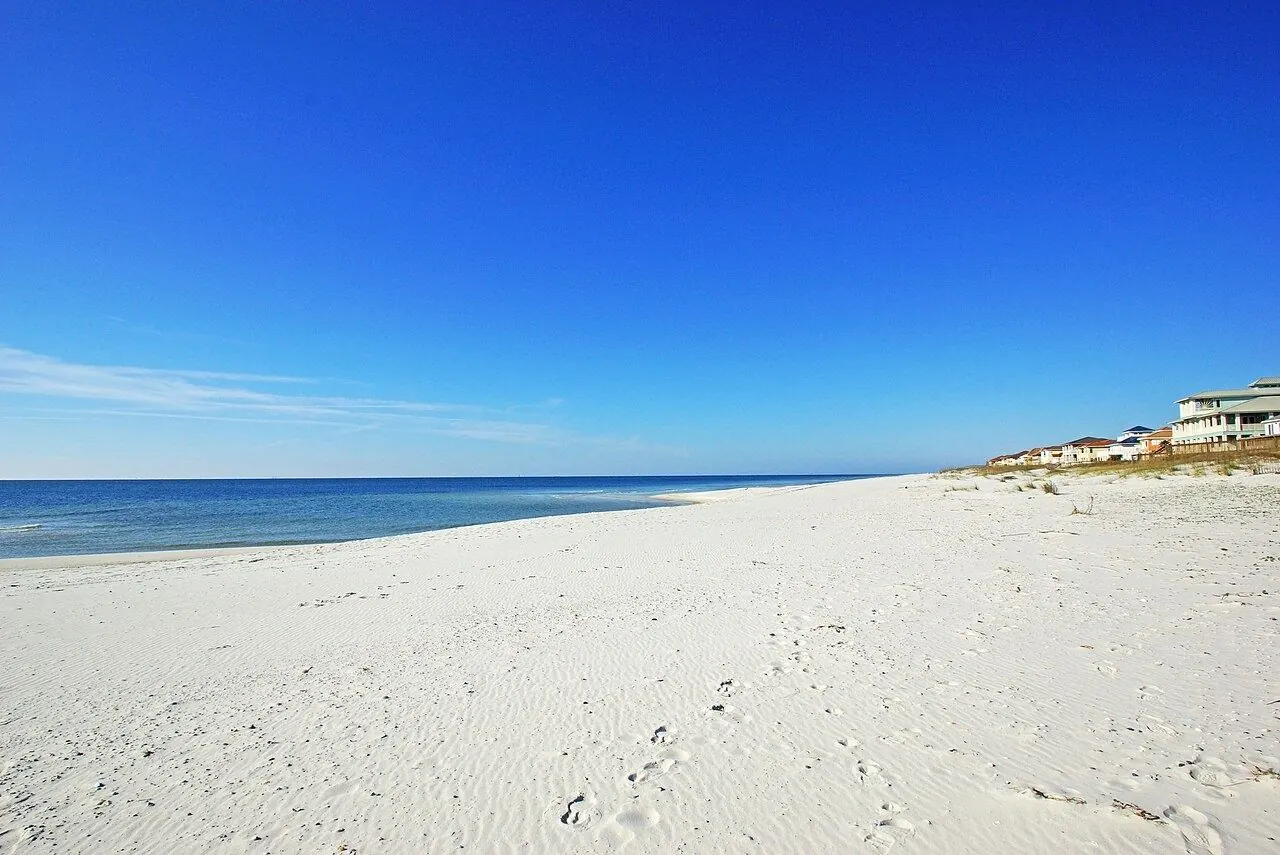
Photo: ourgulfshoresvacation.com, Wikimedia Commons, CC BY-SA 4.0
On the Alabama Gulf Coast, let the heat index, not the thermometer, decide when and how far you walk or ride: go early or late, drink before you are thirsty, and stop at the first sign of heat illness. The danger comes from heat and humidity together, and even a fit resident may need to turn back.
What the heat index tells you
The National Weather Service defines the heat index as how hot it really feels when relative humidity is factored in with the actual air temperature. Humid coastal air slows the evaporation of sweat, so the body struggles to cool itself. The heat index is calculated for shade and light wind; exposure to full sunshine can raise it by up to 15°F, which matters on open trails, bridges and beachfront roads.
The National Weather Service office in Mobile issues Heat Advisories and Extreme Heat Warnings for Mobile and Baldwin counties when dangerous heat index values are expected. Criteria differ from region to region and are set for the local climate, so check weather.gov/mob and treat any advisory as a reason to shorten, reschedule or move indoors.
Heat exhaustion and heat stroke
Heat exhaustion can end a Gulf Coast ride or walk well before heat stroke. The CDC lists its warning signs as heavy sweating; cold, pale and clammy skin; a fast, weak pulse; nausea or vomiting; muscle cramps; tiredness or weakness; dizziness; headache; and fainting. Stop, move to a cool place, loosen clothing, put cool wet cloths on the body and sip water. Get medical help right away if the person is throwing up, symptoms get worse or they last longer than an hour.
Heat stroke is a medical emergency. Signs include a body temperature of 103°F or higher; hot, red, dry or damp skin; a fast, strong pulse; headache; dizziness; nausea; confusion; and passing out. Call 911 right away, move the person somewhere cooler and lower their temperature with cool cloths or a cool bath while you wait. Do not give a person with heat stroke anything to drink. Body temperature can rise to 106°F or higher within 10 to 15 minutes, so cooling should not be delayed.
Planning a safer outing
- Timing: walk or ride in the early morning or after sunset, when temperatures and sun exposure are lowest.
- Water: drink water before, during and after; on long rides, a sports drink helps replace salt lost in sweat.
- Clothing and sun: wear light-colored, loose, lightweight clothing, a hat (under the helmet, a light cap or visor) and sunscreen; choose shaded routes.
- Pace: slow down and take breaks in shade; if you are new to the heat, build up gradually over days.
- People at higher risk: children, older adults and people with chronic medical conditions need closer watching and more frequent breaks.
- Dogs: pavement and boardwalks in full sun can burn paws; test the surface with your hand, carry water for the dog and keep walks short.
Summer afternoons on the coast often bring thunderstorms, and lightning is as real a hazard as the heat. If thunderstorms are in the forecast, postpone the outing or make sure safe shelter is close by. If you hear thunder, the storm is close enough to strike: get into a substantial building or a hard-topped metal vehicle with the windows closed. Rain shelters, picnic pavilions and isolated trees are not safe. Get out of and away from ponds, lakes and other water, and wait at least 30 minutes after the last thunder before heading back out.
The practical rule is simple: check the forecast and any NWS Mobile heat alerts before you leave, plan the route around shade and water, and turn back early rather than late. Heat illness comes on faster than most people expect, and the first warning sign is the time to stop.
General information, checked against the sources below at the time of writing. Rules, fees, schedules and programs change; confirm with the official source before you rely on them.