Storm & Safety · Explainer
Flood Insurance Basics
Homeowners and renters policies leave out flood damage, and on the Alabama coast water reaches homes well outside the high-risk zones on FEMA maps.
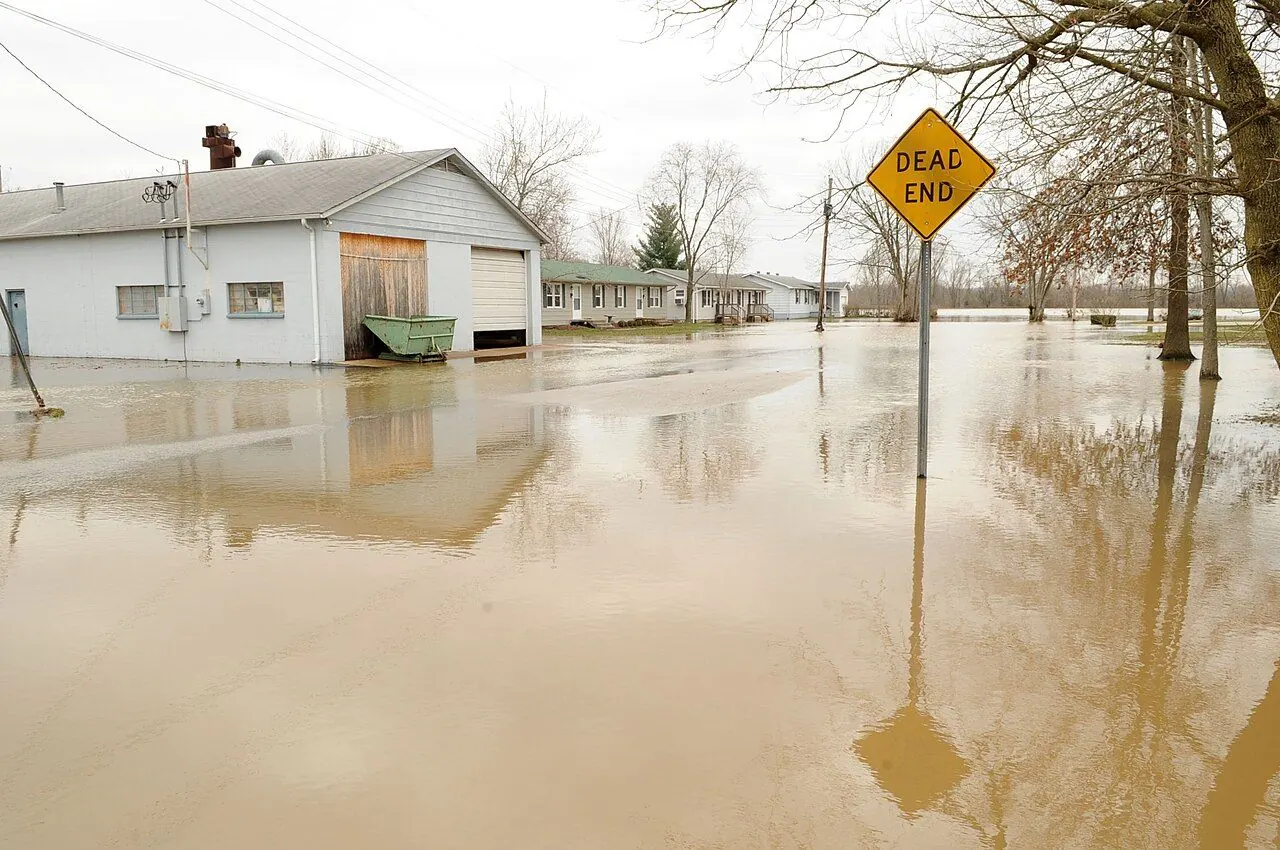
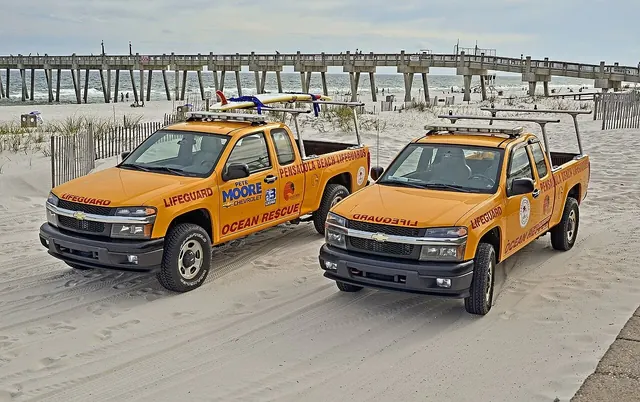
Photo: Jocelyn Augustino, Wikimedia Commons, Public domain
If you own or rent a home on the Alabama Gulf Coast, you almost certainly need flood insurance, because standard homeowners and renters policies do not cover flood damage and a low-risk flood zone does not mean no flood risk. Flood coverage is a separate purchase, sold through the National Flood Insurance Program (NFIP) and by private insurers.
How NFIP coverage works
The NFIP is run by FEMA, and its policies are sold through regular insurance agents. A residential policy has two separate parts, and you choose limits for each.
| Coverage | Maximum for a home (as of 2026) | What it pays for |
|---|---|---|
| Building | Up to $250,000 | The structure and its foundation, electrical and plumbing systems, furnaces and water heaters, built-in appliances, permanently installed carpeting and cabinets |
| Contents | Up to $100,000 | Clothing, furniture, electronics, curtains, washer and dryer, portable air conditioners |
Renters can buy contents-only coverage for their belongings, up to the same $100,000 limit. NFIP policies do not cover personal property kept in basements.
NFIP policies typically have a 30-day waiting period before coverage takes effect, with limited exceptions, such as a policy bought in connection with a mortgage loan or after a flood map change. The waiting period is meant to stop people from buying flood insurance only when flooding is imminent, so the time to buy is well before a storm is in the Gulf, not when one is on the forecast.
Flood zones and FEMA flood maps
FEMA flood maps label high-risk areas with zones beginning with A or V; V zones on the coast also face wave action. Moderate- to lower-risk areas are labeled B, C and X. If you own a property in a high-risk zone and have a government-backed mortgage, you must purchase flood insurance.
A lower-risk zone is not a no-flood zone. From 2014 to 2024, nearly one-third of NFIP claims came from outside high-risk flood areas. On the Gulf Coast, storm surge, heavy rain and drainage that cannot keep up can put water into homes far from the beach. To look up an address, use the FEMA Flood Map Service Center at msc.fema.gov, or ask your city or county floodplain office.
Risk Rating 2.0 and private flood insurance
Since the NFIP's pricing method, known as Risk Rating 2.0, took effect, premiums are set for each property rather than by zone alone. FEMA's rating uses flood frequency, several flood types, including storm surge, river overflow and heavy rainfall, distance to water, the home's elevation and the cost to rebuild. New policies moved to the new method on October 1, 2021, renewals began on April 1, 2022, and it was fully in place by April 1, 2023. By law, most NFIP rates cannot increase more than 18% a year.
Private flood insurance is also sold, and its terms vary from company to company. Before choosing it, confirm with your lender that a private policy meets its requirements, and compare waiting periods, deductibles and what is excluded.
Check your flood zone, confirm whether coverage is already in place, and buy flood insurance soon enough to clear the NFIP waiting period.
General information, checked against the sources below at the time of writing. Rules, fees, schedules and programs change; confirm with the official source before you rely on them.