Towns & Living · Explainer
Smart Growth Explained
Mixed uses, housing and transportation choices and protected open space form a planning toolkit that matters most where growth meets wetlands and floodwater.
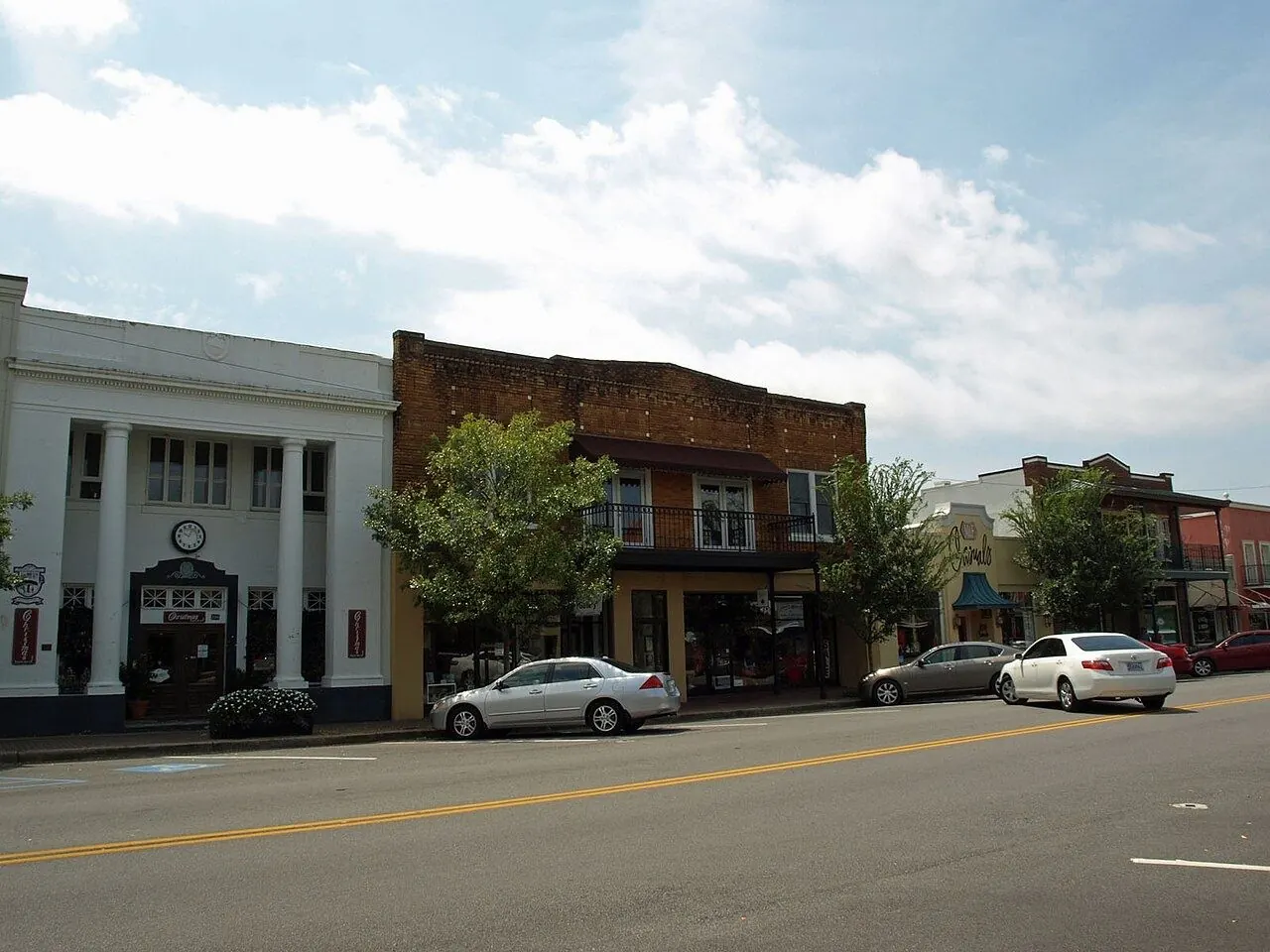
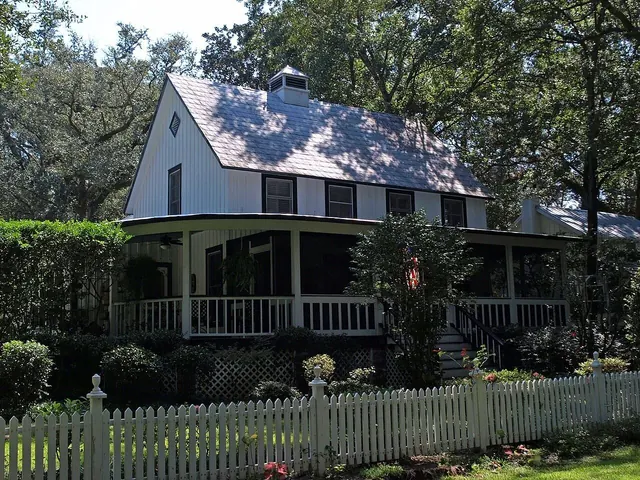
Photo: Chris Pruitt, Wikimedia Commons, CC BY-SA 3.0
Smart growth is not just a slogan: it is a planning approach, summed up in ten principles, that shapes how towns handle population growth by mixing land uses, offering housing and transportation choices, and protecting open space. On the Gulf Coast, it means fitting new development around wetlands, flood zones and existing neighborhoods.
What Smart Growth Means
If you hear "smart growth," you might think "build up and tighten up": more housing crammed in around major roads. That leaves out the rest of the story. Environmental protection is at the heart of smart growth. It is about making sure new construction leaves open space, protecting the wild places, and guiding development to where it will not add to flood damage or push traffic through quiet neighborhoods.
The ten principles, developed by the Smart Growth Network and published by the U.S. Environmental Protection Agency, are:
- Mix land uses.
- Take advantage of compact building design.
- Create a range of housing opportunities and choices.
- Create walkable neighborhoods.
- Foster distinctive, attractive communities with a strong sense of place.
- Preserve open space, farmland, natural beauty and critical environmental areas.
- Strengthen and direct development toward existing communities.
- Provide a variety of transportation choices.
- Make development decisions predictable, fair and cost effective.
- Encourage community and stakeholder collaboration in development decisions.
Why Coastal Towns Use It
Coastal towns have extra reasons to care. Storms, storm surge and flooding make the location of each new street a safety decision, and wetlands that absorb floodwater and shelter fish and birds are easy to fill and hard to replace. Beach towns also juggle seasonal crowds on a few roads, and waterfronts are prized for homes as well as for fishing, boating and port uses. The EPA, working with NOAA and other partners, adapted the principles in a guide called Smart Growth for Coastal and Waterfront Communities, which adds water-dependent uses to the first principle and stresses public access to the water and the protection of coastal heritage.
The Tools Towns Actually Use
A comprehensive plan is the first step: a long-range roadmap, adopted after public meetings, that sets a town's goals for land use, roads, parks and services. If a town is serious about smart growth, its comprehensive plan shows it. The EPA's coastal guide lists comprehensive plans, design charrettes, pattern books and form-based codes among the tools coastal towns can use.
A form-based code is a special kind of zoning law. The EPA describes it as a code that outlines a specific urban form rather than zoning by use: it controls building fronts, blocks, streets and sidewalks so the public realm stays consistent with the community's character. A unified development code gathers a town's zoning, subdivision and other development rules into a single document, which gives landowners and residents quicker answers about what is possible. A conservation subdivision clusters homes on part of a site so the rest, often wetlands, woods or stream buffers, stays as permanent open space. Alabama has a documented example of smart-growth coding: Montgomery adopted a Traditional Neighborhood Development SmartCode in 2006 and has amended it since.
Smart growth is ultimately about what residents want: how their children get to school, how they protect local beaches and family fishing spots, and whether they can find a home they can afford. Residents take part through town councils, planning commissions and the public comment periods that regularly punctuate their work; agendas are posted on city and county websites, and zoning changes go to a public hearing before a vote.
When a new subdivision or commercial center is proposed, residents can ask: does it protect open space, wetlands and waterways, offer ways to walk or bike, and fit the town's comprehensive plan? Will roads, drainage and schools keep pace? Those questions, raised at a planning commission meeting, are how smart growth becomes more than a slogan.
General information, checked against the sources below at the time of writing. Rules, fees, schedules and programs change; confirm with the official source before you rely on them.